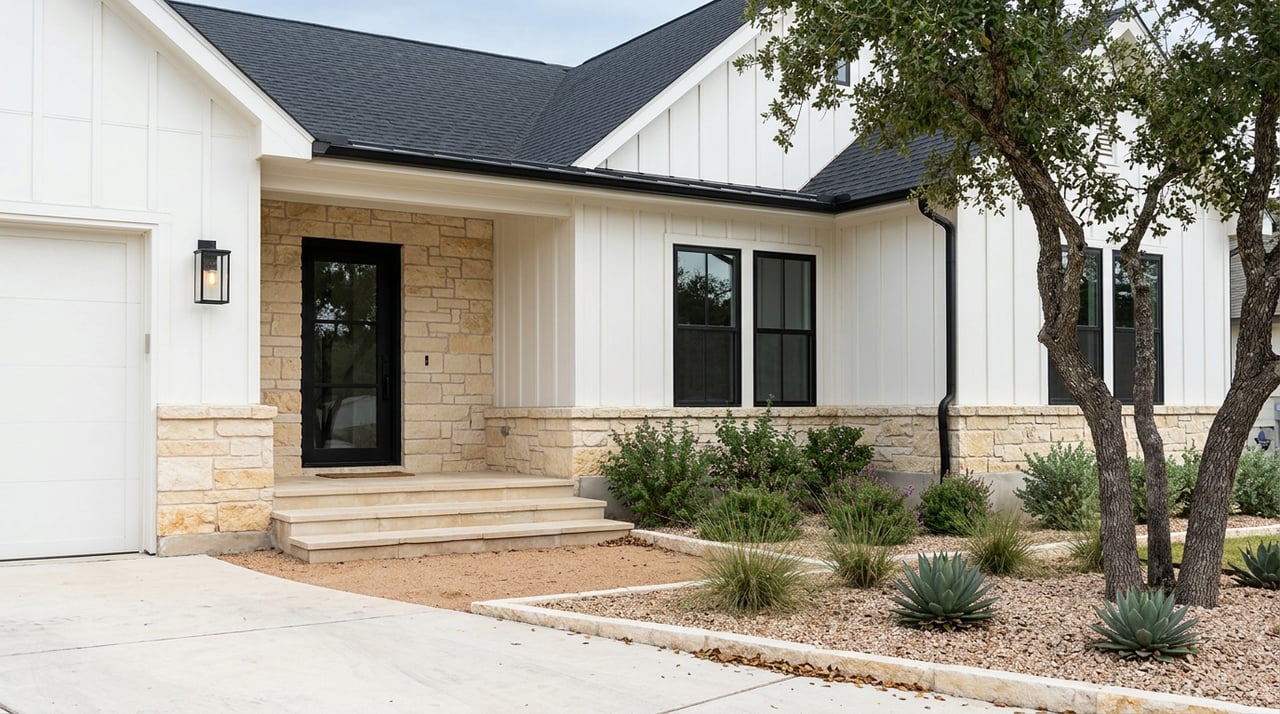
Your Guide to a Canyons at Scenic Loop Custom Home
March 24, 2026
March 24, 2026
Dreaming of a Hill Country home designed around your views and lifestyle? The Canyons at Scenic Loop in 78255 gives you room to build something special, but the path from raw lot to front door has a few key checkpoints. If you want a smooth, on-time build, you need clear steps on utilities, HOA approvals, permits, budgets and timelines. This guide walks you through what to expect in this gated community so you can plan with confidence and avoid costly surprises. Let’s dive in.
Set along Scenic Loop Road in the Cross Mountain area, the Canyons is a gated, custom-home community known for Hill Country scenery and mature live oaks. Builders highlight hilltop and long-range views that set the tone for outdoor living and modern, high-end finishes. You can see how local builders position the neighborhood in the Canyons community overview.
Most homesites are roughly half an acre to an acre and a half, with a mix of wooded and sloped terrain. That size range appears consistently in public project materials and listings and is a good working guide while you shop lots. A regional engineering profile of the project also references varied terrain and rolling slopes, reinforcing the need to plan for sitework early in design. For a snapshot of lot characteristics, review the project overview notes.
The community operates a Property Owners Association with an Architectural Control Committee. A one-page HOA summary cites FirstService Residential as manager and lists contacts for the ACC and gates. Annual assessments in recent summaries typically fall in the mid-hundreds per year, with examples in the 695 to 795 dollar range. Always confirm current dues and ACC requirements directly with the manager using the HOA summary sheet.
Expect sloped or rolling sites with heavy oak coverage. Slope and tree preservation shape the footprint, driveway path, and where retaining walls or pools make sense. Many recorded plats include drainage or tree-preservation easements that narrow your buildable area. Plan an early walk with your builder to study the grade, likely house pad, and how to protect preferred trees.
Public materials list San Antonio Water System as the community’s water and sewer provider. Even so, sewer is not guaranteed to every parcel. Some lots show septic as the recorded option. To remove guesswork, order a SAWS Service Availability Letter for the specific parcel. This document confirms whether water and sewer mains are adjacent and outlines potential tap or impact costs. You can follow the steps in SAWS’ development guide to request a letter and block map. See the SAWS service availability guidance.
If sewer is not available, you will need an on-site sewage facility (septic). Bexar County oversees OSSF permitting and ties system sizing to the home’s bedroom count. Your site plan must show available drain field area and setbacks, so raise this early with your designer and builder.
The Hill Country often has shallow limestone and variable soils. A site-specific geotechnical report helps your engineer design the right foundation and retaining systems for your slope and subsurface conditions. This small upfront investment can prevent change orders during excavation. Learn what a soils report includes and how engineers use it in foundation design from this geotechnical overview.
Flood risk is often low on these ridge and hillside parcels, but drainage still matters. Recorded plats will show drainage easements and notes that limit grading and driveway locations. Confirm your floodplain status with current FEMA maps and use the recorded plat to define your buildable envelope before committing to a plan. Larger cut or fill operations usually trigger grading reviews by the permitting authority, so flag major terrain changes early.
Before you submit for a building permit, the HOA’s Architectural Control Committee will require your plans, site layout and exterior selections. The ACC often reviews fences, pools and where mechanical equipment will be visible from the street or neighbors. Do not rely on MLS notes like “no time limit to build.” Instead, request the full CC&Rs, Design Guidelines and submittal checklist from the HOA manager listed on the community summary. Ask the ACC about their typical review timeline so you can plan your schedule.
Jurisdiction is parcel-specific in the Scenic Loop area. Some lots sit in unincorporated Bexar County while others fall under City of San Antonio authority. If your lot is in unincorporated Bexar County, the county handles building permits and plan review. The county notes an approximate 30-day window for plan review, which can vary with complexity. Always confirm your permitting authority by parcel ID before you start design. You can review Bexar County’s permitting role and contacts at the Code Enforcement and Inspections page.
Here is a practical path many owners follow:
Your budget should cover the land, sitework, utilities, permits and the home itself. Public listings show recent homesites in the neighborhood marketing in the low to mid five-figures up to the mid six-figures, and completed custom homes frequently list above one million dollars. Treat these as planning ranges that change with market conditions and lot attributes.
Do not overlook these line items as you budget:
If you plan to finance construction, many owners use construction-to-permanent loans. Lenders fund your build in stages, inspect work before each draw, and then convert the loan to a standard mortgage at completion. A national primer on how construction loans and draw schedules work is helpful if you are new to the process. Review this construction loan overview to understand steps and expectations.
Confirm jurisdiction and permits. Identify whether your lot is in unincorporated Bexar County or within City of San Antonio boundaries, since that determines who issues the permit. Start with the Bexar County permitting page if you are outside city limits.
Verify water and sewer early. Order a SAWS Service Availability Letter to confirm main locations and tap or impact costs. Use the SAWS process guide. If sewer is not available, plan for a Bexar County OSSF permit.
Pull the recorded plat and a current survey. Study buildable areas, drainage and tree-preservation easements before you finalize the footprint and driveway.
Request the CC&Rs and Design Guidelines. Obtain the full rulebook and the ACC submittal checklist from the HOA manager listed on the HOA summary sheet. These documents often regulate exterior materials, roof types, fence design and pool placement.
Commission geotechnical and tree surveys. A soils report and tree survey inform foundation design, retaining walls and drainage. This reduces risk of change orders during excavation.
Align your budget. Cover land, sitework, utilities or septic, engineering, permits, HOA costs and the home build. Keep a contingency for unknowns in rocky or sloped terrain.
Choose the right builder. Favor teams with experience on steep, wooded Hill Country lots and familiarity with the Canyons ACC process. Many local builders showcase Hill Country, contemporary and modern farmhouse designs in their Canyons portfolios.
Sequence approvals. Plan your ACC submission and permit application in a coordinated way. Ask your ACC contact for typical turnaround and build that into your schedule.
Set a realistic timeline. Allow time for utility confirmations, ACC review, permit review and 6 to 12 months for construction, depending on complexity. Use milestone check-ins and a draw schedule to stay on track.
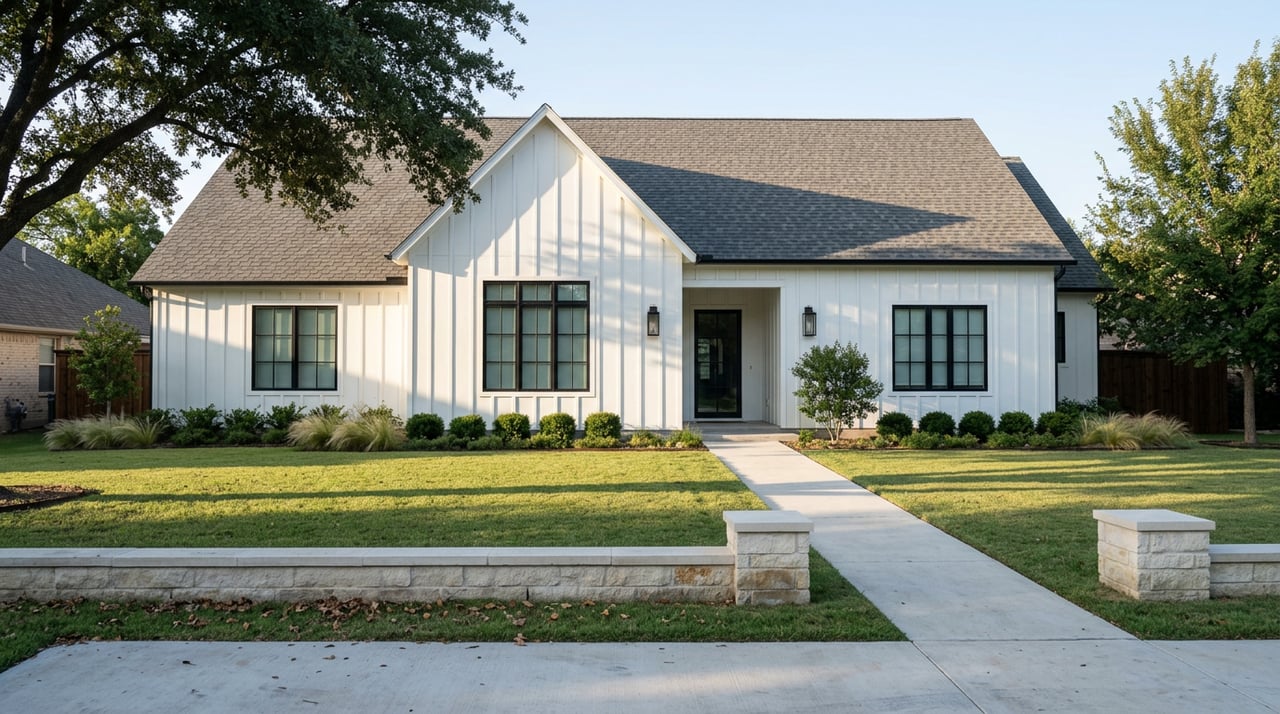
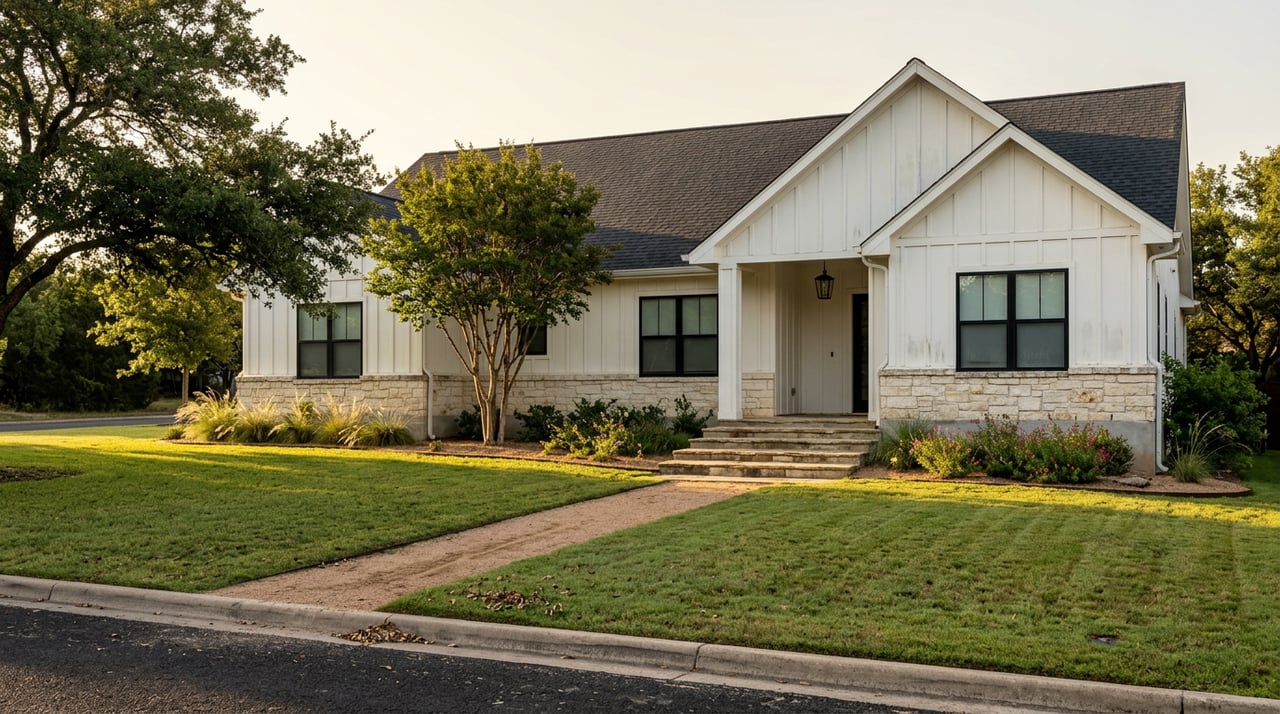
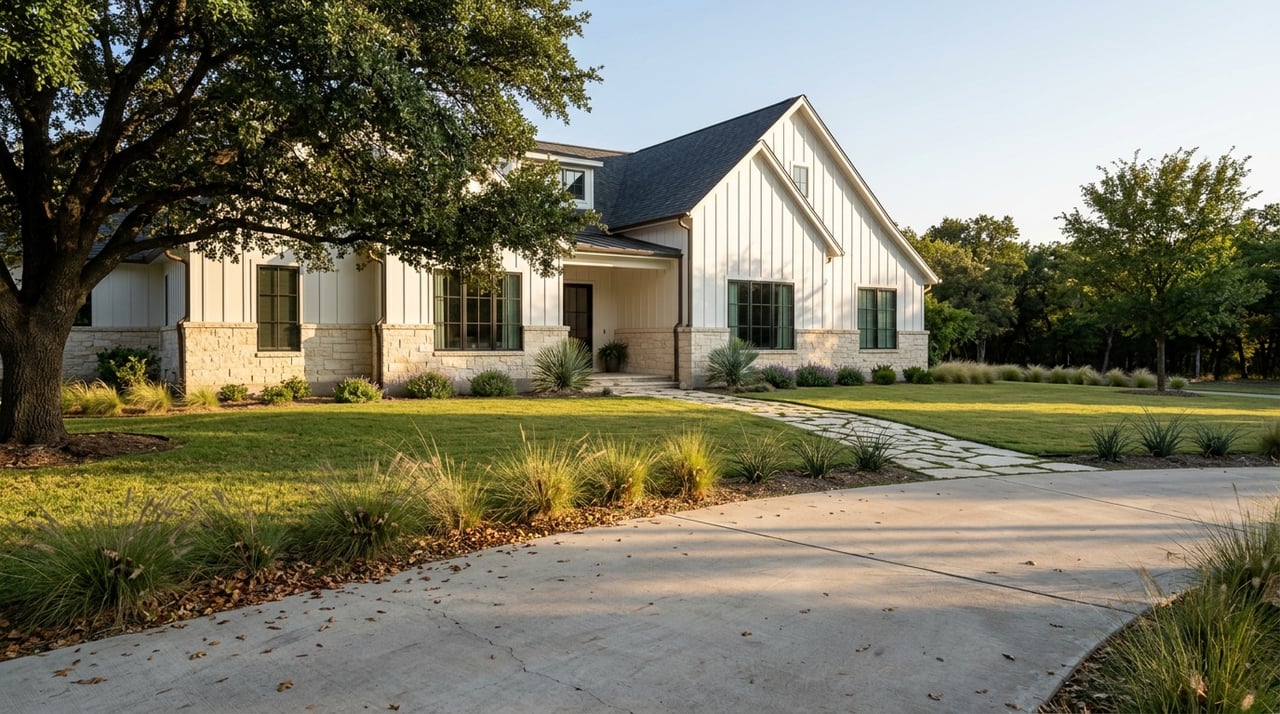
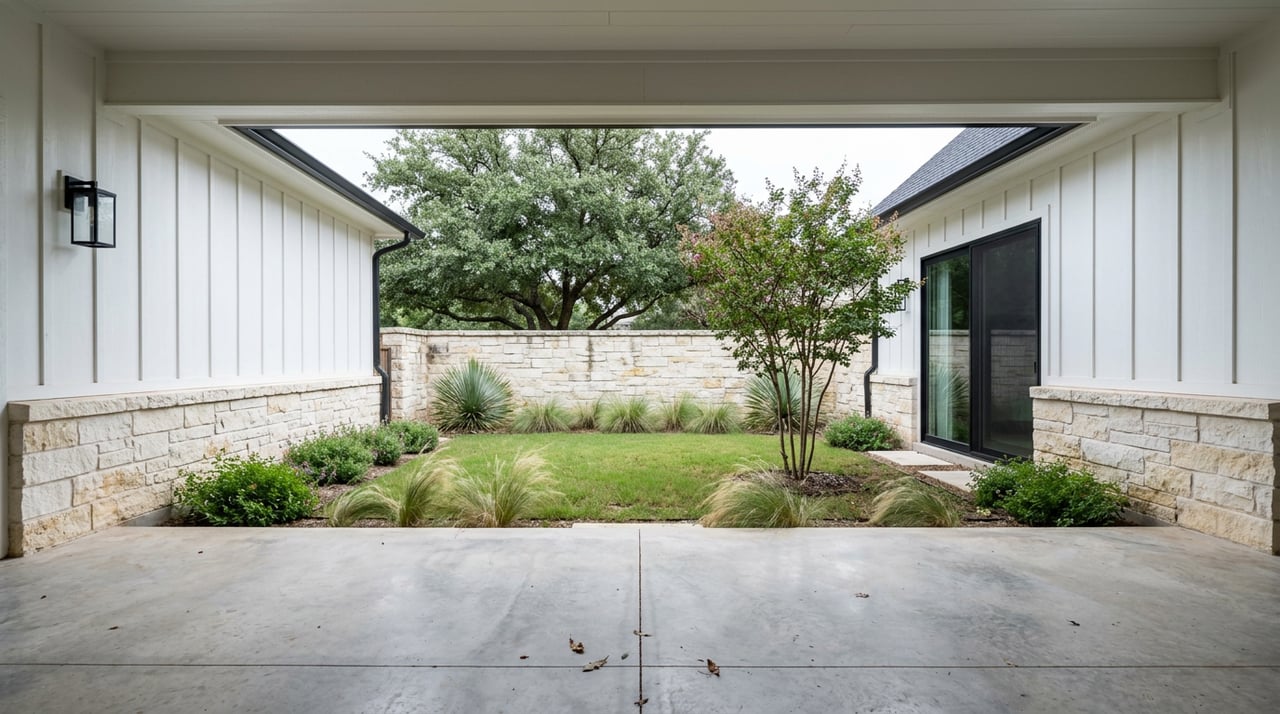
The Canyons features a range of custom styles that fit the terrain and views, including Hill Country stone and stucco, contemporary lines and modern farmhouse elements with metal roof accents. Browse local builder galleries to align your aesthetic with proven methods for sloped sites. You will also want a builder who can help navigate SAWS confirmations, Bexar County or City permitting, and the ACC submittal process. A quick look at an active-area builder’s Canyons community page shows the types of plans and finishes that perform well here.
Skipping utility verification. Do not assume sewer is available. Get a SAWS Service Availability Letter and confirm tap or impact fees in writing using the SAWS guidance.
Underestimating sitework. Slopes, rock and tree preservation can drive costs. Budget for grading and retaining walls, and lean on a geotechnical report to right-size your foundation.
Ignoring easements. Drainage or tree-preservation easements can shift your house pad or driveway. Verify buildable areas on the recorded plat before you finalize design.
Relying on MLS notes for rules. Build timelines and material restrictions live in the CC&Rs and Design Guidelines. Confirm directly with the HOA manager listed on the summary sheet.
Compressing the schedule. Plan time for ACC review, permit review and any utility work. Most custom builds in this area run 6 to 12 months once construction starts, sometimes longer for complex homes.
Building a custom home in the Canyons at Scenic Loop is about careful preparation and the right partners. When you verify utilities, study your plat, follow the HOA process, secure permits and hire a builder who knows Hill Country terrain, you set up a smooth build that protects your budget and timeline.
If you are ready to evaluate lots or want a second set of eyes on your plan, we are here to help. Schedule a Confidential Consultation with David Rutter to map out next steps, compare parcels and connect with trusted local pros.
Stay up to date on the latest real estate trends.


Advisory-led representation focused on discretion, trust, and a flawlessly managed outcome.

RUTTER REALTY GROUP
DAVE RUTTER
(210) 850-4425
[email protected]
ADDRESS 1717 N LOOP 1604 E SAN ANTONIO, TX 78232