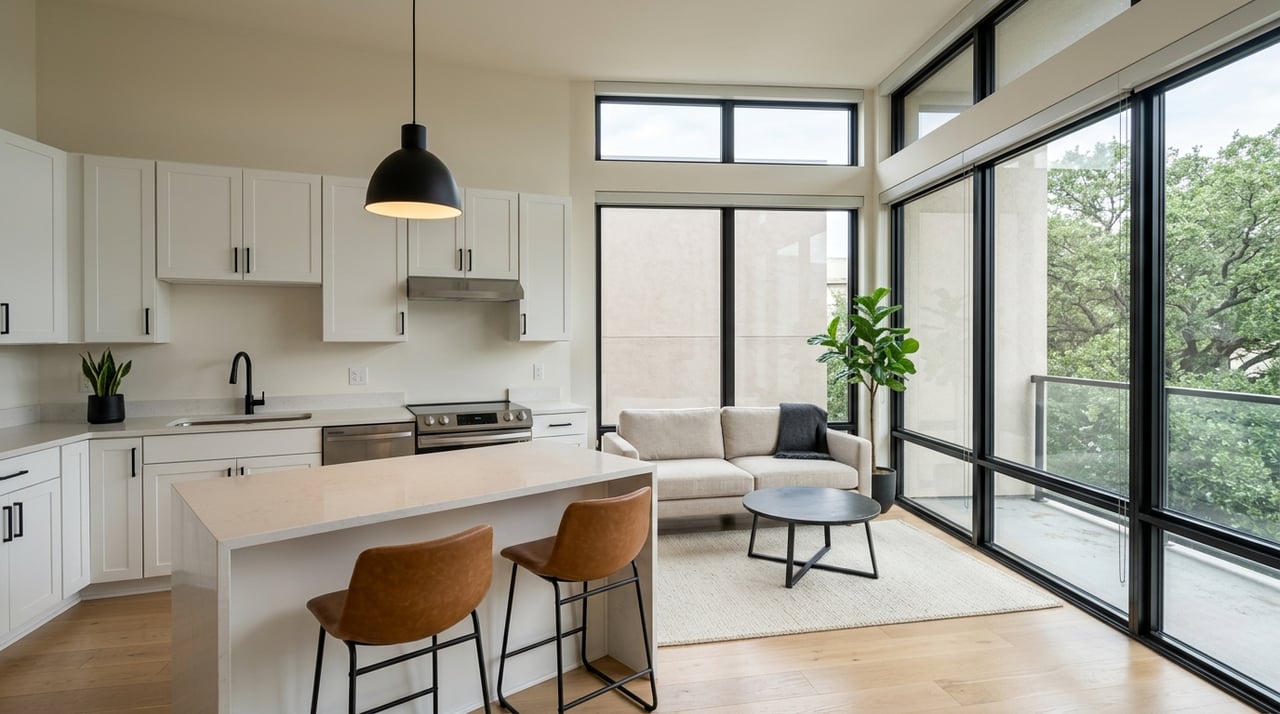
Selling Your Downtown San Antonio Condo With Confidence
July 2, 2026
July 2, 2026
If you’re thinking about selling a downtown San Antonio condo, one thing matters right away: this is not a typical San Antonio listing. In 78205, you’re selling in a smaller, more specialized market where pricing, presentation, and timing can shape the outcome. The good news is that with the right plan, you can reduce friction, attract serious buyers, and go to market with more confidence. Let’s dive in.
Downtown San Antonio condos sit in a premium niche, not a broad, fast-moving pool of inventory. Redfin’s downtown condo snapshot shows 33 condos for sale, a median listing price of $525,000, and a typical time on market of 100 days. That gives you a helpful baseline: buyers have options, and many listings may take time to move.
That pace also looks different from the citywide market. Realtor.com’s Texas market page shows San Antonio with a median listing price of $294,990 and a median 48 days on market, but those larger city numbers do not reflect the condo-specific dynamics of downtown. If you own a unit in 78205, your best pricing decisions should come from recent sales in your building and nearby downtown buildings, not broad metro averages.
A second downtown data point shows how varied this segment can be. Zillow’s downtown page reports 22 homes for sale and a median list price of $777,000, which is best viewed as a separate market snapshot rather than a direct comparison. The larger takeaway is simple: downtown condos can vary widely by building, views, amenities, and layout.
In a market that is described as not very competitive, overpricing can cost you valuable early momentum. Buyers shopping downtown condos often compare building features, monthly ownership costs, floor plans, and finish levels closely. If your price misses the mark, they may simply wait for the next listing.
That is why pricing should start with the most relevant comps available. You want to look at recent sales in your building first, then nearby downtown buildings with similar size, condition, and amenities. A listing strategy based on hyperlocal data can help you avoid chasing the market later with price reductions.
For many sellers, the goal is not just to list high and hope. The goal is to launch at a price that makes sense for today’s buyer pool while supporting a strong first impression online. In a slower-moving condo segment, that first impression matters even more.
If you have flexibility on timing, spring is usually the strongest selling season according to the research. Realtor.com’s 2026 Best Time to Sell report found that the San Antonio-New Braunfels metro’s best week started April 19, 2026. The report links that spring window to stronger buyer demand, faster market pace, fewer price reductions, and lower competition.
That does not mean you should wait if you are ready now. A well-priced, move-in-ready condo can still sell outside the peak spring window. In a market with more available inventory, strong execution can matter just as much as the calendar.
For downtown condo owners, timing works best when it supports preparation. If waiting a few weeks gives you time to organize HOA documents, complete light touch-ups, or improve the visual presentation, that extra prep may be more valuable than rushing to market.
Buyers often make their first decision from a screen, not from the lobby or your front door. That is especially true in an urban condo search, where people compare space, layout, and finish quality quickly. Clean presentation helps your unit feel easier to understand and easier to picture as home.
The staging research supports this. The National Association of Realtors’ 2025 Profile of Home Staging found that 83% of buyers’ agents said staging made it easier for buyers to visualize a property as a future home, and 49% of sellers’ agents said staging reduced time on market. For a downtown condo, that can be a meaningful advantage.
The same report found that the most important rooms to stage were the living room, primary bedroom, and kitchen. In a condo or loft, you should also pay close attention to the entry, balcony, and any flexible bonus space. Buyers want to understand how the layout lives, especially when square footage is used creatively.
For many downtown units, a few small presentation choices can change the full feel of the home. Start with the areas that anchor the listing photos and in-person showings:
You do not always need a full overhaul. Often, removing extra furniture, improving lighting, refreshing bedding or textiles, and defining each space clearly can make the home read better both online and in person.
In a downtown condo sale, digital marketing should not be treated as a bonus. It is often the first showing and sometimes the most important one. Buyers may decide whether to book a tour based on the first 30 seconds they spend looking at your listing.
Zillow’s 2024 consumer report found that 94% of buyers used at least one online shopping resource. It also found that 86% were more likely to view a home if the listing included a floor plan they liked, and 70% said 3D tours helped them get a better feel for the space. For condos, where layout efficiency matters, those assets can make a major difference.
Digital reach also matters because your buyer may not already live nearby. Realtor.com’s Q2 2025 cross-market demand report found that 58.9% of listing views from the top 100 metros went to homes outside the viewer’s metro. That supports marketing downtown San Antonio condos not only to local shoppers, but also to relocation buyers and other out-of-market prospects.
A strong downtown condo launch should make it easy for buyers to understand the home before they ever visit. At minimum, sellers should think in terms of a coordinated digital package that may include:
This is where a disciplined marketing approach can pay off. The goal is to create a listing that feels polished, informative, and easy to trust.
One of the biggest condo-specific issues is paperwork. In Texas, condo sellers should assemble HOA documents early to avoid preventable delays once a buyer is ready to act. This is not just a convenience issue. It can affect timing, negotiations, and contract stability.
Under Texas Property Code Section 82.157, before executing a contract or conveying a unit, the seller must provide the declaration, bylaws, association rules, and a resale certificate prepared no earlier than three months before delivery. The resale certificate must also include detailed information about the association, including the operating budget, assessments, unpaid dues or fees, planned capital expenditures, reserves, insurance coverage, known violations, and certain legal or governmental matters.
Texas law also gives buyers an important review period. Under Section 82.156, a buyer can cancel before the sixth day after receiving these documents if they were not delivered before contract execution. In practical terms, missing or late documents can create avoidable uncertainty.
If you want a smoother condo sale, it helps to start document collection early. Ask what is needed and who will order it. Common items may include:
This is one of the clearest ways to reduce friction before your listing goes live.
Because downtown condos vary so much by building and buyer pool, the right questions matter. You want a plan that is tailored to your unit, your timing, and your level of privacy. A generic listing approach can miss important details.
Here are smart questions to ask before you decide whether to list now or wait:
Good answers should feel specific, not generic. You are not just hiring someone to put a condo online. You are choosing an advisor to help you manage timing, pricing, exposure, and details that can influence the final result.
If you are selling a downtown San Antonio condo, success often comes down to what happens before the listing hits the market. The strongest launches are usually the ones backed by realistic pricing, polished presentation, complete documents, and a marketing plan built for how condo buyers actually shop. In a niche market like 78205, preparation is not extra. It is part of the strategy.
If you want tailored guidance on pricing, timing, presentation, and a discreet listing plan for your downtown condo, connect with David Rutter for a confidential consultation.
Stay up to date on the latest real estate trends.

Advisory-led representation focused on discretion, trust, and a flawlessly managed outcome.

RUTTER REALTY GROUP
DAVE RUTTER
(210) 850-4425
[email protected]
ADDRESS 1717 N LOOP 1604 E SAN ANTONIO, TX 78232